Varicose veins: what compression can and cannot do
Updated 2026-09-10 · 3 min read
The Rabe consensus supports compression for selected venous symptoms and oedema. It does not establish prevention of disease progression. The diagnosis, pressure and garment must be assessed individually.
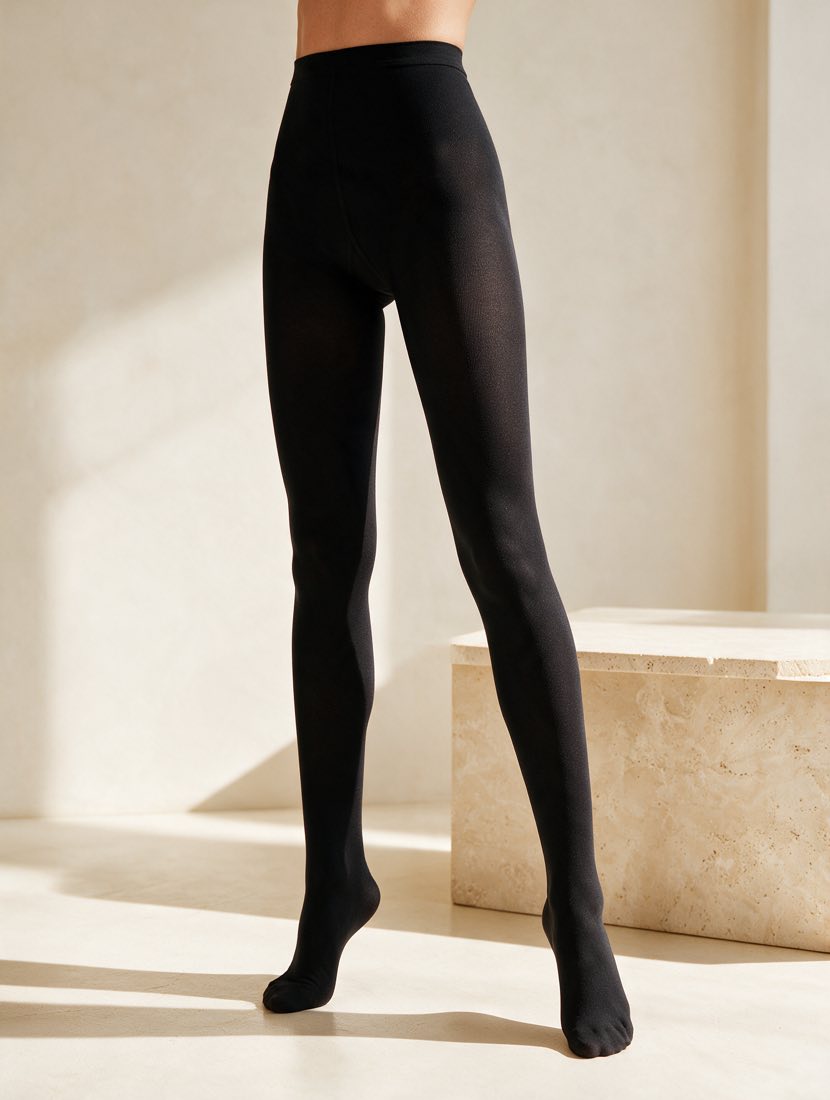
Varicose veins: what compression can and cannot do
The Rabe consensus supports compression for selected venous symptoms and oedema. It does not establish prevention of disease progression. The diagnosis, pressure and garment must be assessed individually.
These studies concern compression in general, not clinical testing of the XZ products sold here. Results depend on the population, garment and outcome studied; they do not establish suitability for an individual customer.
What should I check before use?
The XZ manual requires medical advice before first use, for both compression classes. Do not use on damaged skin. The manual lists contraindications including diabetes, acute phlebitis, infections, ulcers or eczema, decompensated heart failure, severe cardiovascular or cerebrovascular disease, severe swelling caused by heart, liver or kidney disease, tumour-related swelling, bleeding tendency, prolonged bed rest, critical illness preventing care, and allergy to the product. Read the full instructions with your physician. Do not roll down the top; seek medical advice if pain or discomfort increases.
How do I choose the size?
Measure all circumferences and lengths required for your model in centimetres, using the points in the manufacturer’s diagram. cB is the narrowest ankle and cC the widest calf. Shoe or clothing size is insufficient.
cF and cG are different points on the thigh. The manual labels the AG table cF; do not substitute the widest thigh measurement. If the model, measuring point or size is unclear, contact us before ordering. Between sizes, or your first pair? Choose the larger size.
Frequently asked
What should I check before use?
XZ graduated compression. Choose the pressure, length and size with your physician before first use.
How do I choose the size?
Measure all circumferences and lengths required for your model in centimetres, using the points in the manufacturer’s diagram. cB is the narrowest ankle and cC the widest calf. Shoe or clothing size is insufficient. Choose the size using all measurements required for your model in the manufacturer's chart. Between sizes, or your first pair? Choose the larger size.